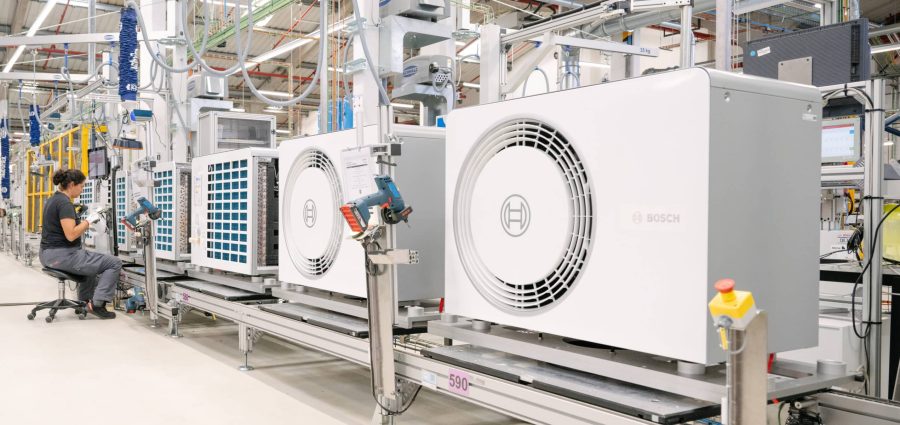
A class action lawsuit filed March 20 alleges that several of the leading HVAC manufacturers began coordinated pricing practices in 2020, exploiting COVID-19 supply chain disruptions and regulatory transitions to fix prices and overcharge customers for HVAC equipment.
The complaint names seven defendants — Trane, Carrier, Daikin, Bosch, Lennox, Rheem and AAON — which collectively control more than 90% of the U.S. HVAC equipment market, according to the lawsuit. The plaintiff alleges the defendants entered into an agreement to exchange price-signaling statements and competitively sensitive information with the purpose of coordinating “supracompetitive prices” and generating “historic profit margins.”
The case, Berg v. Robert Bosch, LLC, et al., was filed by Alyssa Berg, who seeks to represent a class of individuals and businesses that purchased HVAC equipment from 2020 to present.
For more coverage of this case, see HVAC industry publications ACHR News (named in the case for publishing HVAC pricing information) and HomePros.
Distribution’s Role
Unlike a 2024 price-fixing lawsuit targeting leading PVC manufacturers — in which several distributors were named as co-conspirators — this complaint does not list any distributor or distribution organization as a defendant.
However, the complaint does name some indirectly.. Heating, Air-conditioning, and Refrigeration Distributors International (HARDI) is referenced in the context that its hosted events may have provided manufacturers “opportunities to collude.” The case also once listed HVAC distributor Johnstone Supply as an example of a company distributing Bosch HVAC equipment in Michigan. It did not list any other distributor by name.
In response, HARDI officials emphasized “compliance with established industry standards and competition laws, including its anti-trust guidelines.”
Pricing Environment
An analysis from Baird Equity Research Industrial Distribution on the impact of this lawsuit said: “One potential risk stemming from the lawsuit is a muted equipment pricing environment if there is a chilling effect on OEM price increases. Historical precedent is mixed in similar cases. Following a 2014 wallboard lawsuit, there was a five-year period of flat industry pricing. Conversely, following the more recent 2024 PVC lawsuit, PVC pipe prices have started to stabilize.”
Related Posts
-

A federal judge has rejected Amazon’s bid to dismiss a major consumer lawsuit alleging price…
-

The sale will not include MARS' equipment distribution division, which will operate under the name…
-
It positions the AI-powered B2B commerce platform — launched in 2020 — for continued expansion.