Editor’s Note: This is the second article in a two-part series. See Part 1 here.
Turning Strategy Into Action — How Distributors Can Lead the Digital Shift
In Part 1 of our series, we examined the disruptive forces reshaping the distribution industry before strategizing seven key digital strategies that can redefine the future of wholesale distribution — from cloud adoption to AI, omnichannel engagement and sustainability. But strategy alone isn’t enough. Real transformation requires execution. In this installment, we’ll focus on how to move from ideas to action — with a practical roadmap for prioritizing initiatives, building internal alignment and sustaining momentum throughout your digital journey.
Building a Culture of Continuous Improvement
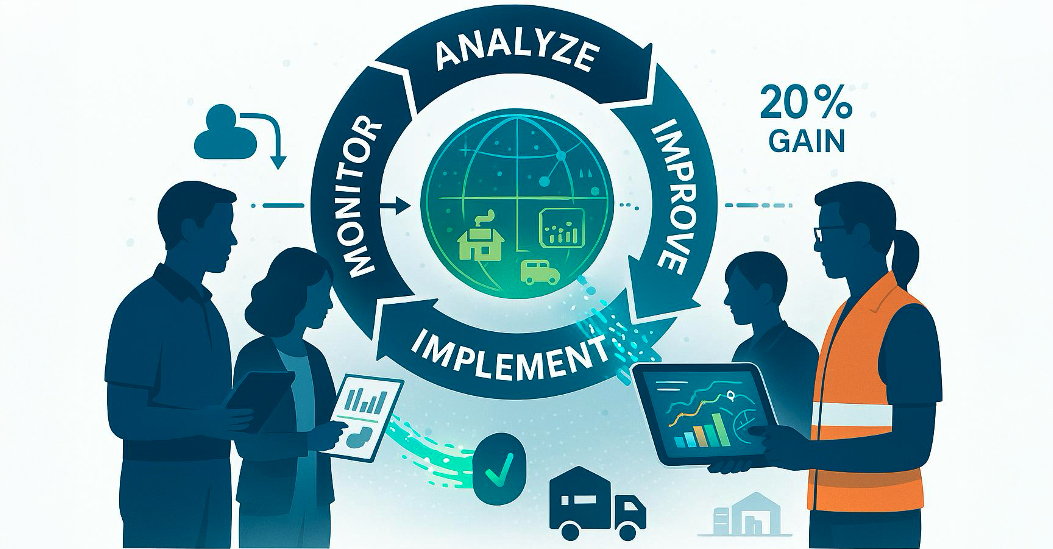
Digital transformation is not a one-time initiative but an ongoing evolution that requires a cultural commitment to continuous improvement and relentless optimization. Centralized data systems standardize performance metrics, order fulfillment rates, delivery times and customer satisfaction scores, providing a clear baseline for improvement. Lean principles eliminate waste, such as redundant approval steps in order processing or excess inventory movements. Meanwhile, data visualization tools like dashboards or heatmaps make trends accessible, encouraging cross-functional teams to collaborate on solutions. A sales team might spot a lag in order fulfillment, triggering a root-cause analysis that reveals a bottleneck in warehouse picking, followed by a streamlined workflow adjustment.
Emerging business models underscore this imperative. As manufacturers bypass distributors via eCommerce and omnichannel strategies, intermediaries must redefine their value proposition, offering services like light manufacturing (cutting cables to spec), kitting (bundling parts into ready-to-use packages) or equipment rentals. Digital tools support these shifts, integrating new processes (e.g., tracking rental durations) and analytics (e.g., assessing service profitability) to ensure viability. Change management secures employee buy-in by training staff on digital platforms through hands-on sessions or gamified learning while celebrating milestones, such as a 20% efficiency gain or a successful new service launch, to sustain momentum. Leadership must champion this culture, embedding continuous improvement into strategic goals and performance reviews. Over the course of multi-year transformations, this mindset ensures that distributors remain agile, adapting to market shifts and customer needs with precision and foresight.
What’s at Stake
The digital era is a crucible for wholesale distribution, disrupting traditional models and unlocking vast opportunities. ECommerce, globalization and escalating customer expectations challenge legacy operations, but technologies, cloud platforms, advanced analytics, AI and omnichannel systems provide a transformative path forward. By embracing these seven pathways, distributors can reimagine their role, ignite innovation and build resilience against an unpredictable future. The urgency is clear: Those who lead this charge will shape the industry’s trajectory, delivering unparalleled value in a complex, competitive landscape. Transformation begins with a single step; now is the time to take it.

Call to Action: A Roadmap to Start Your Digital Transformation
Ready to revolutionize your distribution operations? Digital transformation is a journey, not a leap, and starting strategically ensures sustainable success. Here’s a practical roadmap to kickstart your efforts:
- Assess Your Current State
- Conduct a comprehensive audit of your existing systems, processes and customer touchpoints. Identify pain points, e.g., manual workflows that slow order fulfillment or outdated IT systems that limit scalability and benchmark them against industry peers. Use metrics like order processing time, delivery accuracy, and customer satisfaction to establish a baseline.
- Define Priorities and Goals
- Pinpoint which of the seven pathways aligns most with your immediate needs. Struggling with demand volatility? Start with advanced analytics. Losing customers to eCommerce? Prioritize omnichannel experiences. Set clear, measurable objectives, e.g., reduce delivery times by 15% within 12 months or cut operational waste by 20% through digitization.
- Build a Cross-Functional Team
- Assemble a task force of IT, operations, sales, and customer service leaders to champion transformation. Assign roles, e.g., a data specialist for analytics, a logistics expert for sustainability and ensure goal alignment. Engage frontline staff early to gather insights and secure buy-in.
- Start Small with Pilots
- Launch targeted pilot projects to test technologies without overhauling everything at once. Digitize a single process (e.g., invoice processing with RPA), deploy a cloud-based inventory tool in one region, or trial an AI chatbot for customer inquiries. Measure results in time saved, error reduction, and customer feedback to validate and refine.
- Secure Technology Partnerships
- Research and select technology providers that align with your priorities, such as cloud platforms for scalability, analytics tools for insights, or cybersecurity solutions for protection. Seek vendors with industry experience, scalable offerings, and robust support. Request demos or trials to ensure compatibility with your operations.
- Develop a Scalable Plan
- Based on pilot outcomes, create a phased roadmap, e.g., digitize all warehouse processes in year one, implement predictive analytics in year two, transition fleets to electric by year three. Allocate budget, resources, and timelines, striking a balance between quick wins (e.g., cost savings from automation) and long-term investments (e.g., sustainability gains).
- Train and Empower Your Workforce
- Invest in training programs — workshops, online courses, hands-on simulations to upskill your employees on new tools and processes. Foster a culture of adaptability by rewarding innovation (e.g., bonuses for process improvements) and addressing resistance through clear communication about benefits.
- Monitor, Iterate and Expand
- Establish KPIs (e.g., system uptime, customer retention, carbon footprint reduction) to track progress. Review quarterly, adjusting strategies based on data and feedback. Scale successful pilots across the organization, integrating lessons learned to maximize impact.
The digital era waits for no one; start now and lead the transformation.