Editor’s Note: This article is the first in a two-part series.
For more than a century, wholesale distributors like you have been the linchpins of supply chains, seamlessly connecting manufacturers to end markets with efficiency, scale and specialized expertise. Your value proposition has rested on aggregating diverse product lines, orchestrating intricate logistics, and leveraging deep industry knowledge and regional strongholds.
Yet, the digital era is dismantling this foundation. ECommerce platforms have tilted the balance of power toward customers, which has enabled direct purchasing and weakened the competitive barriers, such as exclusive supplier partnerships or geographic dominance, that once shielded distributors. Globalization compounds this disruption, injecting volatility through trade conflicts, currency fluctuations and rare yet impactful events such as pandemics, natural disasters or infrastructure failures. Simultaneously, customer expectations are soaring, with buyers demanding seamless, technology-enhanced interactions across an expanding array of channels.
This two-part MDM Premium series examines the multifaceted forces driving transformation in distribution and provides a comprehensive framework for digital transformation. It delves into seven technology-driven pathways designed to help distributors adapt to these seismic shifts, enhance operational agility and deliver exceptional value to customers. By embracing modern tools and strategies, you can transcend the limitations of legacy systems, harness innovation and solidify your position in a dynamic, competitive landscape. The stakes could not be higher: those who fail to evolve risk fading into obscurity, while those who act decisively can redefine their role and secure long-term success.
The Problem — An Industry Facing Unprecedented Challenges
The wholesale distribution sector is confronting a perfect storm of disruption that threatens its traditional foundations. At the forefront is digitization, particularly the rise of eCommerce, which has fundamentally altered market dynamics. Online marketplaces, direct-to-consumer platforms and supplier-hosted portals empower buyers with unprecedented choice, which has allowed them to bypass distributors entirely. Manufacturers are seizing this opportunity through leveraging digital channels to reach end-users directly, effectively short-circuiting intermediaries and undermining your historical role. This shift erodes competitive advantages once anchored in long-standing relationships, proprietary logistics networks or regional exclusivity, leaving you and your peers scrambling to justify value.
External pressures amplify this existential challenge. Geopolitical instability ranging from trade wars and tariffs to regional conflicts like Brexit disrupts global supply networks, causing shipment delays, inflating costs and complicating procurement. Macroeconomic turbulence, such as rising inflation, fluctuating interest rates, tariff fluctuations or volatile commodity prices (e.g., steel or fuel), force you to rethink inventory strategies and pricing models on the fly. Black swan events, such as the COVID-19 pandemic, a major port closure due to a labor strike or a natural disaster like a hurricane, lay bare the fragility of extended supply chains, halting operations, depleting stock and eroding customer trust.
These disruptions highlight a critical weakness: many distributors remain shackled to outdated systems ill-equipped for such volatility. Legacy on-premise IT infrastructures are costly to maintain, slow to scale and incapable of adapting to sudden demand spikes or supply shocks. Paper-based processes such as manual order forms, printed invoices and handwritten inventory logs introduce inefficiencies, human errors and delays, thereby clouding real-time visibility into critical operations.
Customer expectations add a formidable dimension to this crisis. Today’s buyers, increasingly millennials and digital natives stepping into procurement roles, demand experiences that mirror consumer retail: instant order tracking, personalized product recommendations and responsive support across physical stores, websites, mobile apps, voice assistants and even social media platforms. They expect transparency, knowing exactly when a shipment will arrive and flexibility, such as the ability to adjust orders mid-process. Traditional distribution models — built for predictable demand and stable conditions — falter under these dynamic requirements. Without a radical overhaul, distributors face shrinking market share, compressed margins and the looming specter of irrelevance in a world that rewards agility and customer-centricity.
—————–
The distribution industry is clearly at a crossroads — caught between rising disruption and rising expectations. But while the challenges are real, so are the opportunities for those willing to embrace change. Now, let’s shift from diagnosis to strategy and break down seven strategic pathways that can help you modernize your operations, differentiate your value and build a future-ready business in the digital era.
The Solution: 7 Pathways to Digital Transformation
Transition to the Cloud

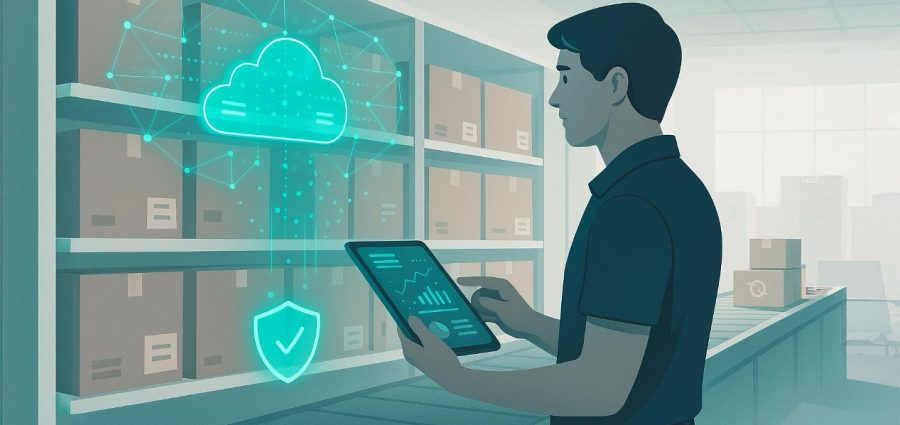
Legacy on-premise IT systems are a vestige of a bygone era, tethering you to rigid, high-cost infrastructures that stifle adaptability and drain resources. Transitioning to cloud-based technologies establishes a nimble, cost-efficient foundation for modern operations. Industry projections suggest that by 2027, over 50% of enterprise IT spending in key segments will shift to the cloud, underscoring its pivotal role in future-proofing businesses.
The benefits of adopting cloud technology are numerous and diverse. Real-time data analytics, accessible from any internet-connected device, empower managers to monitor inventory levels, track shipments across regions and analyze sales trends instantly, whether they’re in the office or on the warehouse floor. Unlike traditional systems, cloud platforms streamline updates, delivering the latest features without the need for disruptive, costly overhauls. This eliminates the burden of overprovisioned hardware, allowing you to scale capacity dynamically, ramping up during peak seasons like holiday surges or scaling down during lulls. For example, a distributor expanding into a new territory can deploy cloud tools to manage local inventory and logistics, eliminating the need to construct physical data centers and saving time and capital. The cloud also accelerates innovation, enabling the rapid integration of cutting-edge capabilities, such as IoT sensors for real-time equipment monitoring or blockchain for transparent supply chain tracking, without requiring significant upfront investment. This flexibility is crucial as competitive pressures and customer demands continue to evolve unpredictably.
Digitize Processes

The benefits permeate the entire organization. Digitized documents, orders, invoices and product specifications streamline exchanges between sales, warehouse and logistics teams, slashing processing times from days to minutes. Automated data capture eradicates manual entry errors, ensuring pinpoint accuracy in records like stock levels, billing details or shipment statuses. Robotic Process Automation (RPA) tackles repetitive tasks, processing returns or updating shipment logs, freeing staff to focus on strategic priorities like customer engagement. Intuitive digital interfaces, such as mobile apps for warehouse workers or dashboards for managers, boost productivity by simplifying tasks like logging deliveries or approving orders. Machine learning can further enhance complex workflows, such as adjusting pricing dynamically based on market conditions. As customer touchpoints proliferate, spanning online portals, mobile apps and even voice interfaces, standardized digital processes ensure consistency and enable distributors to adopt emerging technologies, like augmented reality for product demonstrations or digital twins for warehouse simulations, with agility and minimal disruption.
Apply Advanced Analytics

Customer analytics dive deeper, uncovering purchasing behaviors such as identifying clients who consistently pair certain products (e.g., pipes and fittings) to inform targeted marketing campaigns, cross-selling opportunities or loyalty incentives. Spatial data analysis optimizes logistics by mapping delivery routes to minimize fuel consumption and strategically locating warehouses near high-demand zones to reduce transit times. Beyond planning, analytics drives automation. Chatbots equipped with natural language processing (NLP) handle routine customer inquiries (“What’s the status of my order?”), while machine learning algorithms detect operational inefficiencies, such as overstocked SKUs tying up capital or underutilized delivery routes. As these tools become pervasive, distributors can establish dedicated analytics teams or partner with specialists to mine ever-expanding datasets, extracting consistent value and maintaining a proactive stance in a volatile market. The result is a data-driven operation that anticipates needs, optimizes resources and outpaces competitors.
Implement AI and Machine Learning

Predictive analytics, powered by ML, refines inventory management with unparalleled accuracy, blending past demand data with dynamic variables like seasonal shifts, promotional calendars, or supplier lead times. A distributor might stock extra generators ahead of a forecasted hurricane season, avoiding shortages while optimizing cash flow. AI-driven chatbots, equipped with NLP and sentiment analysis, resolve customer issues by rerouting a delayed shipment or processing a return while learning from interactions to improve over time. ML algorithms continuously enhance operations by identifying bottlenecks, perhaps a slow-loading dock or an inefficient picking sequence and suggesting corrective actions. Starting with pilot projects such as an AI-driven inventory audit or a chatbot for customer support enables distributors to build expertise incrementally, scaling as technology matures and use cases expand. Early adoption boosts efficiency and positions you as an innovator ready to lead the industry into an AI-augmented future.
Delivering Omnichannel Experiences

Emerging technologies elevate this experience further. Virtual reality (VR) lets customers preview bulky equipment, imagine a forklift or industrial pump in a digital showroom and explore features without a physical visit. Augmented reality (AR) assists field technicians by overlaying repair instructions on smart glasses, enabling them to fix machinery efficiently. A comprehensive view of customer interactions encompassing purchases, inquiries and preferences enables personalized recommendations (e.g., suggesting spare parts based on past orders). It facilitates rapid issue resolution (e.g., expediting a delayed shipment). As millennials and digital natives, accustomed to consumer-grade convenience, dominate B2B buying, omnichannel fluency becomes a non-negotiable competitive edge. You must innovate relentlessly, integrating tools like voice-activated ordering, AI-driven support chatbots or even interactive kiosks in physical locations to exceed expectations, enhance convenience and foster enduring loyalty in a crowded market.
Prioritize Cybersecurity
 The shift to digital operations amplifies exposure to cyber risks, data breaches, ransomware, phishing attacks and supply chain compromises, which pose severe financial, legal and reputational threats. A hacked customer database could leak sensitive pricing or contract details to competitors; a ransomware attack on an inventory system might paralyze deliveries for days. Robust cybersecurity demands a multi-layered defense. Firewalls block unauthorized access, antivirus software neutralizes malware, intrusion detection systems monitor for suspicious activity and end-to-end encryption secures data in transit and at rest. Strict access controls limit system permissions to essential personnel and multi-factor authentication (e.g., passwords plus biometric scans) fortify entry points against breaches.
Employee training is equally critical, equipping your staff to recognize and avoid phishing scams, such as a fraudulent vendor email requesting payment through regular workshops and simulated attacks. Disaster recovery plans outline rapid responses restoring systems within hours of a breach using off-site backups, while frequent vulnerability testing identifies weaknesses, like unpatched software or exposed APIs, before they’re exploited. To refine response protocols and ensure team readiness, you should conduct tabletop exercises, simulating scenarios like a ransomware lockdown or a data leak. As cyber threats evolve, consider AI-generated phishing emails that mimic legitimate correspondence. A proactive security posture safeguards trust, protects customer relationships and ensures operational continuity in an increasingly hostile digital landscape.
Incorporate Sustainability

Collaboration with suppliers on responsible sourcing extends sustainability to product offerings — distributors may prioritize goods with certifications such as Energy Star, Fair Trade or Cradle to Cradle, helping customers meet their own environmental goals. Localized supply chains shrink shipping distances and emissions; for example, a distributor could onshore component production, partnering with domestic manufacturers to reduce lead times and environmental costs while supporting local economies. Advanced analytics can inform these decisions, modeling the carbon impact of global versus regional sourcing. As stakeholder capitalism gains traction, driven by consumer pressure and looming regulations like carbon taxes, sustainability becomes a competitive differentiator, attracting eco-conscious clients, enhancing brand reputation and aligning with future compliance demands. These efforts must be measurable (e.g., tracking emissions reductions) and scalable to deliver lasting value.
—————–
Up Next: Execution
While these seven pathways offer a powerful blueprint for transformation, the real challenge lies in execution. How do you prioritize initiatives, gain internal alignment and turn digital strategy into measurable progress? In Part 2, we’ll explore how to put these ideas into action — starting with practical steps, pilot projects and the cultural mindset needed to lead the digital shift from the inside out.