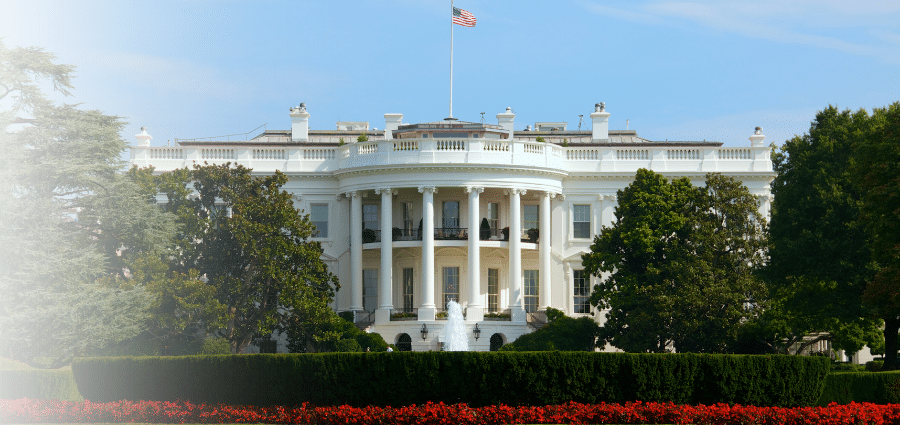
According to a Sept. 18 Wall Street Journal report, President Trump’s team is considering a plan to use funds from an investment fund with Japan to encourage the construction of factories and other infrastructure to boost U.S. manufacturing.
Citing people familiar with the matter, the report detailed that the Trump administration would use money from a $550 billion investment fund established as part of trade negotiations with Japan to invest in the development of semiconductors, pharmaceuticals, critical minerals, energy, ships and quantum computing.
Other aspects of the plan that could benefit some projects include expedited regulatory review or granting leases to companies that would provide access to federal land and water, the WSJ notes.
The plan continues Trump’s efforts to exert influence over the private sector, giving the government a key role in the reshaping of U.S. manufacturing. Trump is seeking to revive manufacturing through a trade policy that he has repeatedly communicated will reshore supply chains and boost jobs. So far this year, manufacturing has shed 38,000 jobs over eight months through August, according to Census Bureau figures.
According to the report, Trump and Commerce Secretary Howard Lutnick have privately discussed building facilities that would produce gas turbines and generic pharmaceuticals. They have also discussed investing in new nuclear power plants and pipelines, and there are more than a dozen other proposals under consideration. Trump announced a joint venture with Japan to build a liquefied natural gas pipeline in Alaska after the negotiations between the two countries.
A memorandum of understanding signed by the U.S. and Japan earlier this month would grant Trump wide latitude on how to spend the $550 billion investment. The memo sets up a committee, chaired by Lutnick, that recommends projects to the president. After costs of a project are split 50-50 between the U.S. and Japan, the U.S. would take 90% of the profits from the investments, the WSJ report said. Japanese vendors would be given priority over other foreign companies in the projects, but the structure of the funding — whether it is through equity, debt or loan guarantees — remains unclear.
Click here to read the full report from the Wall Street Journal.
Related Posts
-
Massachusetts-based RoCom is a supplier and manufacturer of flexible couplings, offering a range of components…
-
President Trump established a 10% baseline tariff and unveiled reciprocal tariffs on dozens of countries,…
-
After plummeting in April upon U.S. tariff implements, Canada's wholesale and manufacturing sales appear to…