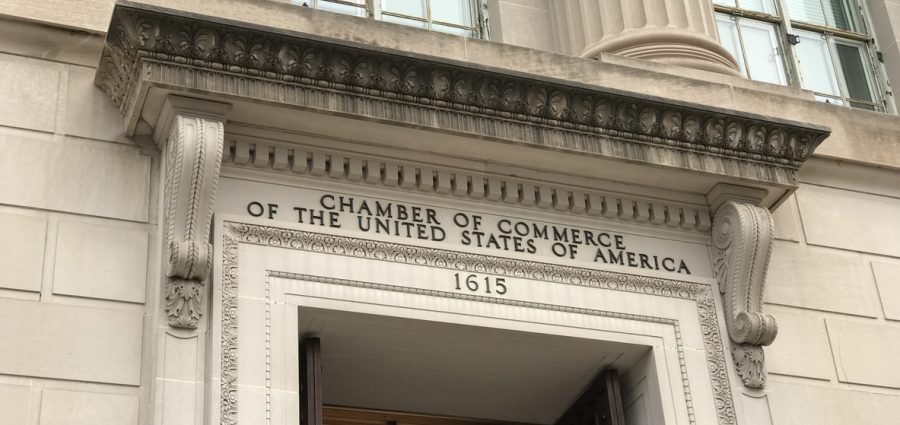
The U.S. Chamber of Commerce estimates that American small businesses face at least $200 billion in annual tariff costs if the current import levels under the new rates are maintained.
The Chamber cited the Census Bureau data, stating Aug. 7 that there are approximately 236,000 small business importers in the U.S. — defined as businesses with fewer than 500 employees — which collectively imported over $868 billion in goods in 2023.
To calculate the estimated tariff impact, the Chamber applied the country-specific tariffs announced on July 31, or existing tariffs where applicable, to the known value of small business imports. Doing so showed a cost of $202 billion directly tied to tariffs. The Chamber added that in some cases, this approach may significantly understate the actual tariff burden on small businesses.
MDM’s 2Q25 MarketPulse Report (store link)
“For example, if a small business is importing an item made with steel from Europe, it will face a 50% tariff on the steel’s value share — not just a 15% tariff,” the report said. “These estimates also don’t capture the elevated 25% tariffs on autos from Canada and Mexico or the 25% tariff on auto parts from many countries. In other instances, this may overstate the tariff if they are importing an item, like semiconductors, currently excluded from tariffs.”
Alongside the cost tariff calculation, U.S. Chamber of Commerce Chief Policy Officer Neil Bradley issued the following statement in response to the new sweeping tariffs:
“We hear from local chambers across the country about the need to lower prices and grow the economy. That’s why we are the biggest champions of the Administration’s goal to drive investment in the United States.
“The deregulatory efforts and the tax extensions are a great start, but the price increases that will inevitably follow these unprecedented tariff levels make the cost of living and shopping for everyday essentials more expensive, and making anything here more expensive and difficult by making supply chains impossible to predict.
“We want to work with the Administration to remove barriers to growth: a broken permitting process, labor constraints, and energy shortages. We will also continue to ask the Administration for a tariff exemption process for small businesses.
In early July, MDM reported on several new reports that detailed the signifcant exposure that the wholesale trade sector has to tariffs, especially to small- and midsized distributors.
On Aug. 3, NAW Chief Executive Eric Hoplin stressed that exposure in an appearance on News Nation:
Related Posts
-

A federal trade court blocked most of Trump’s tariffs late on May 28, only to…
-

Waldom appointed an industry veteran to strengthen supplier partnerships and drive the growth of its…
-

President Donald Trump to implement copper import tariff as part of broader trade actions likely…