Two new class action lawsuits filed in late April have intensified antitrust allegations against several leading HVAC manufacturers, expanding a legal challenge that first surfaced in March and now centers on claims of a coordinated, multi-year price-fixing scheme.
Filed April 20 in federal court, Isom v. Trane Technologies, et al. alleges that major OEMs conspired to raise prices on HVAC equipment beginning around 2020. The complaint — brought on behalf of direct purchasers, including contractors and wholesale distributors — claims manufacturers leveraged pandemic-era supply chain disruptions and regulatory changes to implement parallel price increases that were not justified by underlying costs.
The lawsuit outlines what it describes as a pattern of synchronized pricing actions, including multiple rounds of increases that were publicly announced and closely mirrored across competitors. Plaintiffs allege these moves were enabled by concentrated market dynamics and frequent industry communication, resulting in artificially inflated equipment prices paid by downstream buyers.
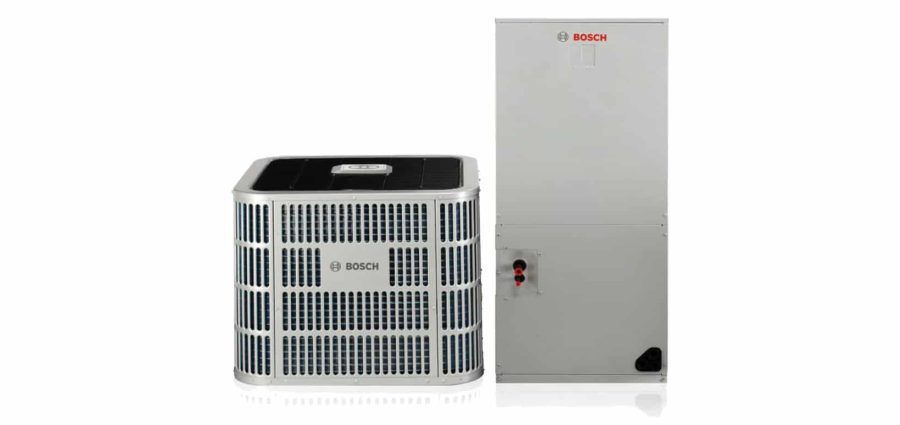
A second lawsuit (third overall), filed April 23 — Safford’s Heating, Cooling and Refrigeration v. Robert Bosch, LLC — advances similar claims on behalf of direct purchasers. While the full complaint in that case is not publicly available, it reportedly echoes allegations of coordinated pricing behavior among HVAC OEMs and reinforces the broader scope of the litigation.
These filings build on an earlier March class action — Berg v. Robert Bosch, LLC, et al. — that first accused a group of HVAC manufacturers of engaging in price-fixing practices during a period marked by COVID-related volatility and refrigerant transition regulations. Across all three cases, plaintiffs contend that OEMs used industry signaling, public pricing announcements and aligned increases to maintain elevated pricing levels across the market.
The April 20 complaint names several major manufacturers and seeks damages for alleged overcharges, asserting violations of federal antitrust laws designed to preserve competition. Plaintiffs argue that the alleged conduct limited price competition and imposed higher costs on contractors and distributors purchasing HVAC equipment directly from OEMs.
Collectively, the lawsuits represent an expanding legal challenge that could carry significant financial implications if the claims advance. The cases remain in early stages, and the defendants have not yet formally responded to the latest filings.
Related Posts
-

Seven major HVAC manufacturers are named in a federal class action lawsuit alleging coordinated price-fixing…
-
It positions the AI-powered B2B commerce platform — launched in 2020 — for continued expansion.
-

The new appointee will lead the company’s global legal function and oversee compliance and strategic…