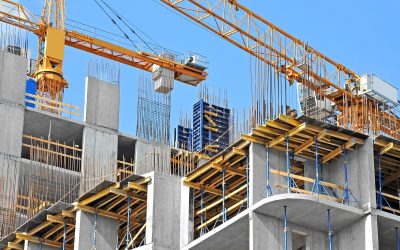
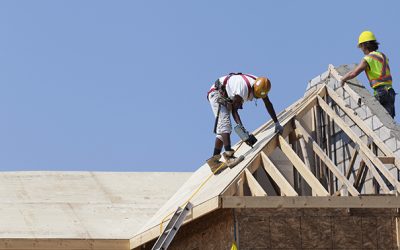
Backlog is down in every region except for the South, which continues to see elevated levels of current and future construction activity.
Latest In Economic Trends
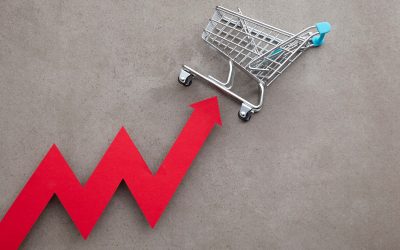
The Consumer Price Index for All Urban Consumers rose 0.1% in March, down from a 0.4% increase in February.
Year-to-date orders for 2023 totaled $819.6 million, 10.7% below the first two months of 2022, according to a new report.
It followed a 2.1% decrease in January.
Walmart said it expects about 65% of its stores to be serviced by automation by the end of its fiscal year 2026
The sales growth for the 12 months through February 2023 is 16.1% percent, according to a HARDI news release.
Private nonresidential spending was up 0.7%, while public nonresidential construction spending was down 0.2% in February.
Distributors have consistently voiced market optimism in recent months, but one of the leading economic indicators is cause for concern.
Distributors remain confident after a strong 2022 despite signs the economy may be slowing in 2023.
A new government estimate says U.S. real gross domestic product increased at an annual rate of 2.6% in 4Q 2022, down from 3.2% in 3Q.
Last year brought the total number of job announcements since 2010 to nearly 1.6 million, according to the Reshoring Initiative.
Cutting tool consumption totaled $196.2 million, according to the USCTI and the Association For Manufacturing Technology.
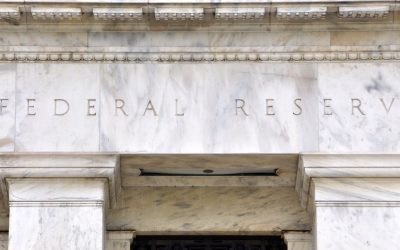
The U.S. central bank signaled that the latest rate hike may not be the last, but is likely nearing the end of aggressive increases.
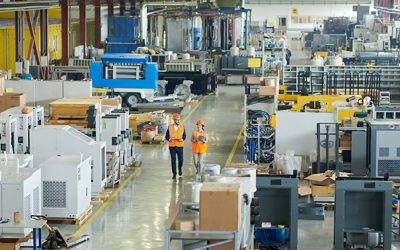
The index for industrial production remained unchanged in February after increasing 0.3% in January.
There was an unexpected drop in producer prices in February, and January's price rise was not as large as initially anticipated.
Overall construction input prices are 2.6% higher than a year ago, reports Associated Builders and Contractors.
Manufacturers’ and trade inventories for January 2023 were down 0.1% from December 2022 — but up 11.1% from January 2022.
Backlog continues to hover around highs not seen since the beginning of the COVID-19 pandemic.
Over the past 12 months, the all-items index has increased 6% before seasonal adjustment, according to the Bureau of Labor Statistics.
The figure is significantly above the 6.6% increase in overall nonresidential spending, according to firm Marcum LLP.