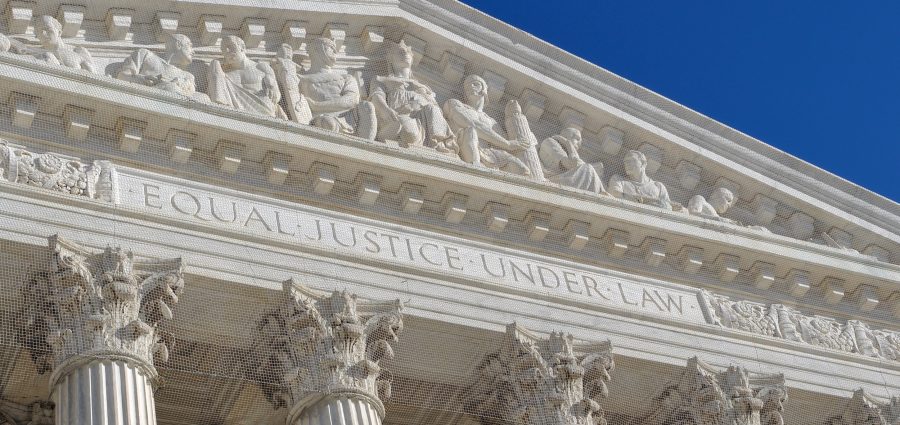
On Feb. 20, the Supreme Court ruled that President Trump did not have the authority to impose tariffs under a specific emergency power law.
The 6-3 decision found that the sweeping tariffs, including “reciprocal tariffs,” levied by the President under the International Emergency Economic Powers Act “during peacetime” were unconstitutional because taxation power belongs to Congress, not the executive branch.
“No President has invoked the statute to impose any tariffs, let alone tariffs of this magnitude and scope,” Chief Justice John Roberts wrote for the majority. “That ‘lack of historical precedent,’ coupled with the breadth of authority that the President now claims, suggests that the tariffs extend beyond the President’s ‘legitimate reach.'”
Trump has called the decision “a disgrace,” and signed an executive order on Feb. 20 that enacts a 10% global tariff as a workaround to the court’s decision, and then vowed a day later to raise it to 15%. That new levy would be implemented under a federal law that enables such tariffs for 150 days before Congress can vote whether or not to extend them.
The Budget Lab at Yale estimates that Trump’s 10% tariff order would put the effective U.S. tariff rate would be 15.4% — down from the 16.9% rate it was at before the court’s decision. Without the new order, consumers would face an overall average effective rate of 9.1%. If Trump is able to follow through with the raise to 15%, that could push the effective tariff rate to higher than before the court decision for certain countries.
Refunds?
While the court decision does not address whether companies that paid the IEEPA tariffs would get refunded, the United States may be required to refund billions, even though some importers may have already passed on costs to consumers or others, wrote Justice Brett Kavanaugh, who dissented. Federal data shows the Treasury had collected more than $133 billion from the administration’s tariffs through December.
In a statement, the National Association of Wholesaler-Distributors urged the administration to “move quickly” to return tariffs revenue to the American businesses that paid them.
NAW’s Response
The National Association of Wholesaler-Distributors — the parent company of MDM — issued the following statement calling for action following the Supreme Court decision:
“We urge the Administration to move quickly to return tariff revenues to the American businesses that paid them. Putting those dollars back into the hands of job creators will immediately strengthen cash flow, unlock capital investment and provide a meaningful boost to the broader economy,” NAW President and CEO Eric Hoplin said. “Wholesaler-distributors operate on thin margins while keeping America’s supply chains moving. Returning tariff funds will allow distributors to reinvest in inventory, infrastructure, technology and workforce growth. A prompt, orderly refund process will deliver real economic impact.”
Related Posts
-
In a Truth Social post, Trump announced the U.S. will levy new tariffs on imported…
-
The distributor said revenue growth was again driven by the company's largest strategic accounts.
-

Electrical equipment and grid components distributors support NEMA's call for federal incentives for on-shoring supply…