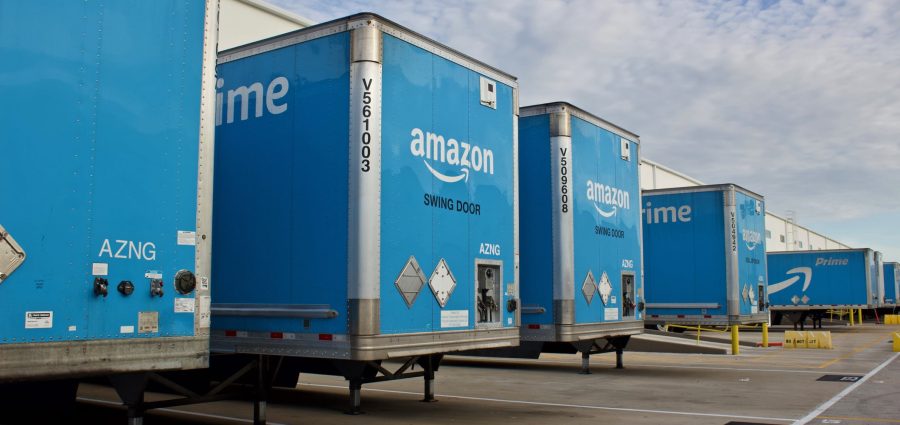
Amazon and major parcel carriers are rolling out new fuel-related surcharges in April, citing rising transportation costs tied to geopolitical instability and elevated energy prices.
The Associated Press reported April 2 that Amazon will implement a 3.5% fuel and logistics surcharge on third-party sellers using its fulfillment services. The fee — applied to Fulfillment by Amazon (FBA) — is positioned as a response to higher fuel costs linked to the ongoing Iran conflict, which has contributed to volatility in global energy markets. Amazon indicated the surcharge is intended to offset short-term cost pressures rather than serve as a permanent pricing adjustment.
The move brings Amazon in line with traditional parcel carriers that have already announced or adjusted fuel surcharges for April.
FedEx and UPS — which both utilize dynamic fuel surcharge mechanisms — have increased their respective fees in recent weeks. These surcharges are typically tied to U.S. on-highway diesel fuel price benchmarks and adjust weekly. As diesel prices have climbed, both carriers’ surcharge tables have shifted upward, raising the effective cost of ground and air shipments. For many customers, these increases layer on top of existing base rate hikes implemented earlier in 2026.
The U.S. Postal Service has also introduced temporary pricing adjustments, including fuel-related surcharges on certain package services. While USPS historically relied less on explicit fuel surcharges than private carriers, it has increasingly adopted similar mechanisms in recent years to manage cost variability in transportation and last-mile delivery.
Across all four providers, the common thread is clear — fuel cost volatility is being passed through to shippers more directly and more frequently than in prior cycles.
MDM Analysis
These surcharges reinforce a broader shift toward more dynamic, cost-plus logistics pricing — where transportation expenses fluctuate in near real time with fuel markets. Distributors will need to sharpen freight visibility and cost recovery strategies, whether through surcharge pass-throughs, pricing adjustments or tighter routing and mode optimization. Those without formal mechanisms to recapture rising freight costs risk margin compression, particularly in low-margin, high-volume segments.
For distributors, the implications extend beyond parcel spend. Those relying on third-party logistics providers or parcel carriers will see immediate cost increases reflected in shipping invoices, particularly for small-package and eCommerce fulfillment. However, even distributors operating private fleets are unlikely to be insulated. Rising diesel prices will pressure internal transportation budgets, while supplier freight costs may also increase as upstream partners apply similar surcharges.
Related Posts
-

Amazon estimates the new benefits aimed to support financial management, cybersecurity and HR could amount…
-

A federal judge has rejected Amazon’s bid to dismiss a major consumer lawsuit alleging price…
-
This category can only be viewed by members. To view this category, sign up by…