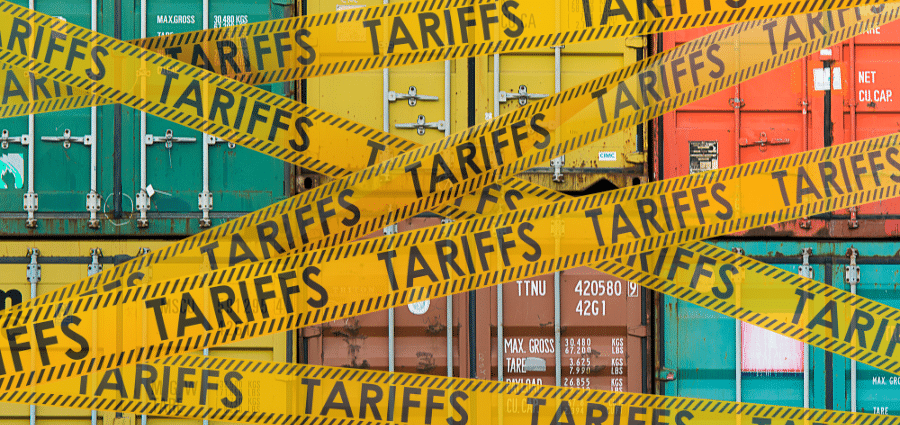
The Department of Justice has reached settlements with two U.S. distributors over attempts to evade proper duty charges imposed on product imported from China.
In one case, the DoJ alleges Charlotte, NC-based tungsten carbide products distributor Ceratizit USA “knowingly and improperly” failed to pay duties owed on products imported from China. In another, an executive at global plastic resin distributor MGI pleaded guilty in a conspiracy to smuggle goods through instructing subordinates to misrepresent the manufacturer and country of origin on the U.S. Customs and Border Protection (CBP) paperwork to avoid paying required duties.
MDM Premium: While Most Distributors Bleed Profits from Tariff Chaos, Contract Pricing Leaders Thrive
To enter goods into the United States, an importer must declare, among other things, the country of origin of the goods, the classification of the goods, whether the goods are subject to duties and the amount of duties owed, DoJ officials explained.
“Attempts at duty evasion have always existed, regardless of the tariff environment,” CBP Commissioner Rodney Scott said in a Dec. 18 DoJ news release. “These schemes are vast and complex, but CBP professionals are well-trained and positioned to detect, deter and disrupt tariff evasion schemes to ensure that duties are paid.”
Tungsten Carbide Distributor Ceratizit USA to Pay $54.4M to Settle Allegations

Ceratizit USA agreed to pay $54.4 million to resolve allegations that it violated the False Claims Act when “knowingly misrepresented the country of origin on Chinese-manufactured tungsten carbide products” from August 2020 through March 2024 when the products were subject to Section 301 tariffs, according to a Dec. 18 DoJ news release.
The United States alleged:
- Ceratizit misrepresented to CBP that products originated in Taiwan rather than China to avoid paying applicable tariffs when it knew its products had been manufactured in China and transshipped to Taiwan before being shipped to the U.S.
- Certain merchandise imported by Ceratizit was not marked with the country of origin, and the company failed to pay marking duties owed to CBP before distributing the unmarked products to consumers within the U.S.
- From June 2015 through March 2024, Ceratizit knowingly misclassified tungsten carbide products using the incorrect Harmonized Tariff Schedule code to further reduce the duties owed to CBP.
Tungsten carbide is used in the manufacturing of cutting tools and other components.
U.S. Metalworking Machinery Orders Surge in October
The settlement with Ceratizit resolves a civil lawsuit filed by Mark Stover under the whistleblower provision of the False Claims Act, which permits private parties to file suit on behalf of the U.S. for false claims and to share in a portion of the government’s recovery.
As part of the resolution, Stover will receive approximately $9.75 million of the settlement proceeds.
Plastic Resin Distributor’s Former Exec Pleads Guilty to Smuggling Allegations
Plastic resin distributor MGI’s former Chief Operating Officer David Guimond pleaded guilty to one count of conspiracy to smuggle goods into the United States when, in 2021, he instructed subordinates to misrepresent the manufacturer and country of origin on paperwork that was submitted to the U.S. Customs and Border Protection in order to avoid paying required Section 301 duties.

He faces a maximum penalty of five years in prison. His change of plea hearing will be scheduled by a federal district court judge.
Meanwhile, the DoJ declined to prosecute MGI International and its subsidiaries Global Plastics and Marco Polo International due to the distributors’ “voluntary self-disclosure of the misconduct,” “full and proactive cooperation” and “timely and appropriate remediation,” including repayment of evaded tariffs, employee termination and internal review.
MGI officials released a statement on Dec. 18.
“This company worked with the government to bring past violations to light and cooperated fully with our investigations. Their actions highlight the importance of corporate responsibility and the value of transparent self-disclosure in maintaining the integrity of our tariff enforcement efforts,” said Special Agent in Charge Michael Krol for Immigrations and Customs Enforcement Homeland Security Investigations New England in a Dec. 18 DoJ news release.
As part of the resolution with MGI, the department agreed to credit $6.8 million previously paid to resolve MGI’s civil liability under the False Claims Act.
“This resolution makes clear what the incentives for corporations are to voluntarily self-disclose and remediate identified criminal conduct,” Deputy Attorney General Todd Blanche said.
Related Posts
-

MHEDA announced the upcoming departure of CEO Jeannette Walker and has begun the search for…
-

This category can only be viewed by members. To view this category, sign up by…
-

HVACR distributor-members of HARDI reported an increase in sales in June following a decline in…