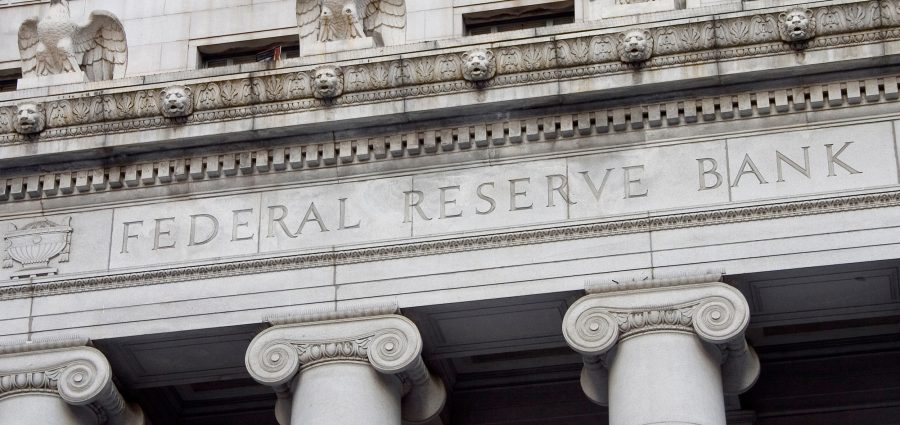
The Federal Reserve on July 29 kept its benchmark interest rate unchanged, extending a seven-month pause as policymakers continued to weigh solid economic activity against persistent inflation and geopolitical uncertainty.
The Federal Open Market Committee voted 9-3 to maintain the federal funds rate target range at 3.5%-3.75%. The range has remained in place since the Fed’s most recent quarter-point rate reduction in December 2025, covering five consecutive policy meetings.
The decision was widely expected but drew dissents from Cleveland Fed President Beth Hammack, Minneapolis Fed President Neel Kashkari and Dallas Fed President Lorie Logan. All three preferred to increase the target range by a quarter percentage point.
It marked a notable departure from the Fed’s unanimous 12-0 decision in June, which was Kevin Warsh’s first meeting as chair. The three dissenters are regional Federal Reserve bank presidents rather than members of the Fed’s Board of Governors.
In its post-meeting statement, the FOMC said U.S. economic activity continues to expand at a “solid pace” despite elevated uncertainty tied partly to the conflict in the Middle East. Policymakers also pointed to strong productivity growth and capital investment, job gains that have kept pace with labor-force growth and an unemployment rate that has changed little.
The Fed repeated its June assessment nearly word for word, including its warning that inflation remains elevated relative to the central bank’s 2% target. Policymakers attributed some recent price pressures to supply shocks affecting sectors that include energy.
“This Fed will not waver” in returning inflation to 2%, Warsh said during his post-meeting news conference, while declining to signal the direction or timing of the Fed’s next policy move. He noted that more than five years of above-target inflation could not be resolved during his first several weeks leading the central bank.
The three dissents add to indications of a more divided and potentially more hawkish FOMC. The July vote followed an internal debate over whether current borrowing costs are restrictive enough to cool inflation or whether another increase is needed.
The FOMC’s next scheduled interest-rate decision is set for Sept. 15-16.
Related Posts
-
The Fed held rates steady again in its June meeting, maintaining its benchmark range at…
-
The Fed held rates steady again on April 29, maintaining a wait-and-see stance on inflation.…
-

A largely neutral February likely gives the Federal Reserve more reason to maintain interest rates…