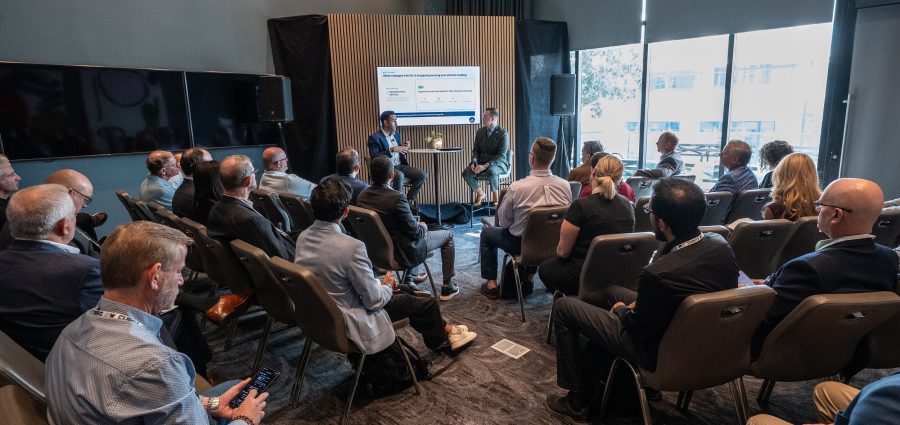
All photos by NAW. Click on them to see hi-res versions.
Those of us fortunate enough to have worked in world-class continuous improvement environments appreciate that talent training and development are never-ending journeys. Over 13 years and 10 different progressive leadership roles at McMaster-Carr, one of America’s leading national industrial supply distributors, I was regularly responsible for building new workforce capabilities in pursuit of efficiency gains and better customer outcomes.
One of the most demanding capability-building missions I took on involved upskilling inside sales representatives from order takers to solution sellers: expert navigators of an enormous industrial catalog who create seamless customer experiences over the phone, deepen loyalty, and drive revenue.
Customers did not always call with a clean part number or a precise specification; more often, they described a failed component, a piece of equipment, an operating environment or simply the problem that needed to be solved. Representatives had to quickly translate that imperfect description into a product family, find the right section of the catalog, understand which specifications mattered and ask the questions that would narrow the field. Then came the commercial considerations: which item to recommend, which substitute might work and how price, performance and availability should shape the best answer.

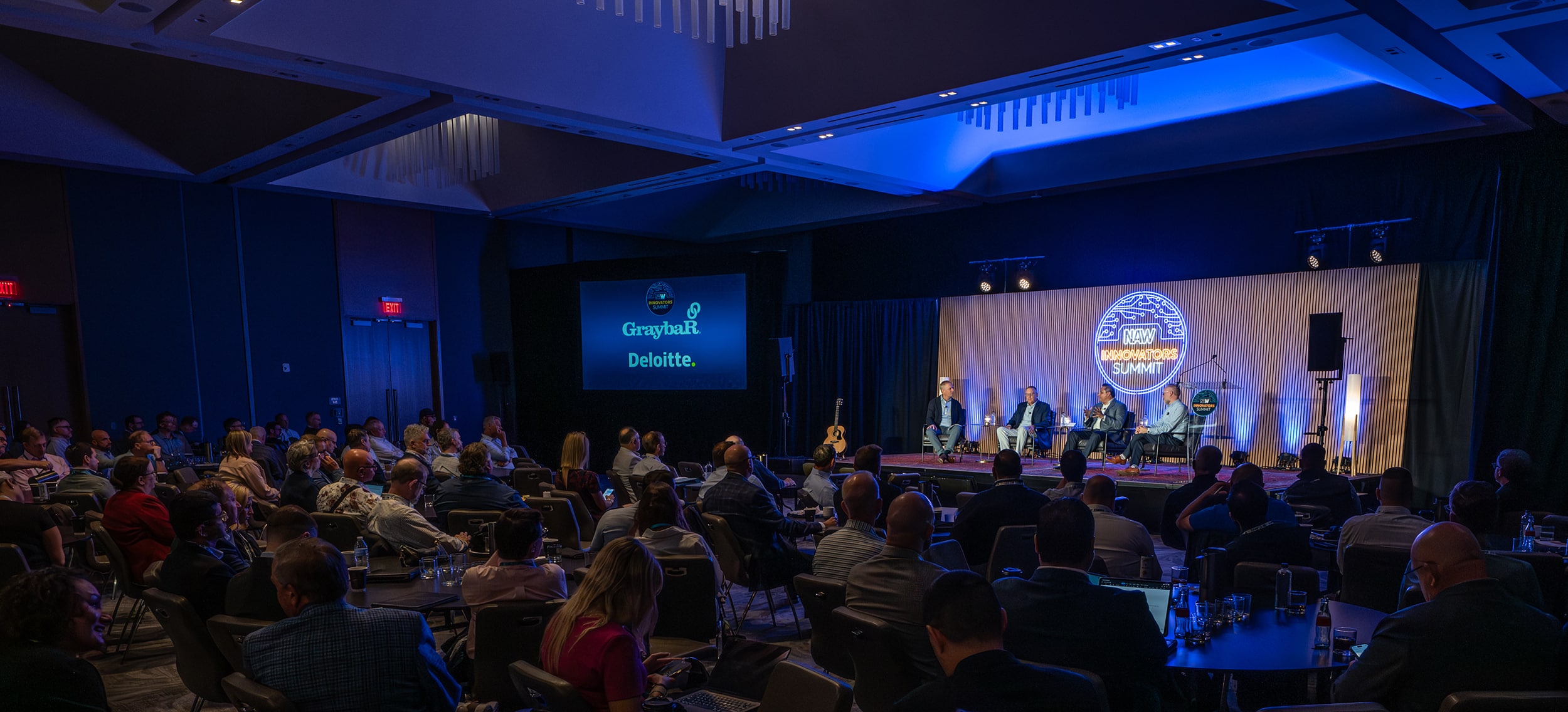
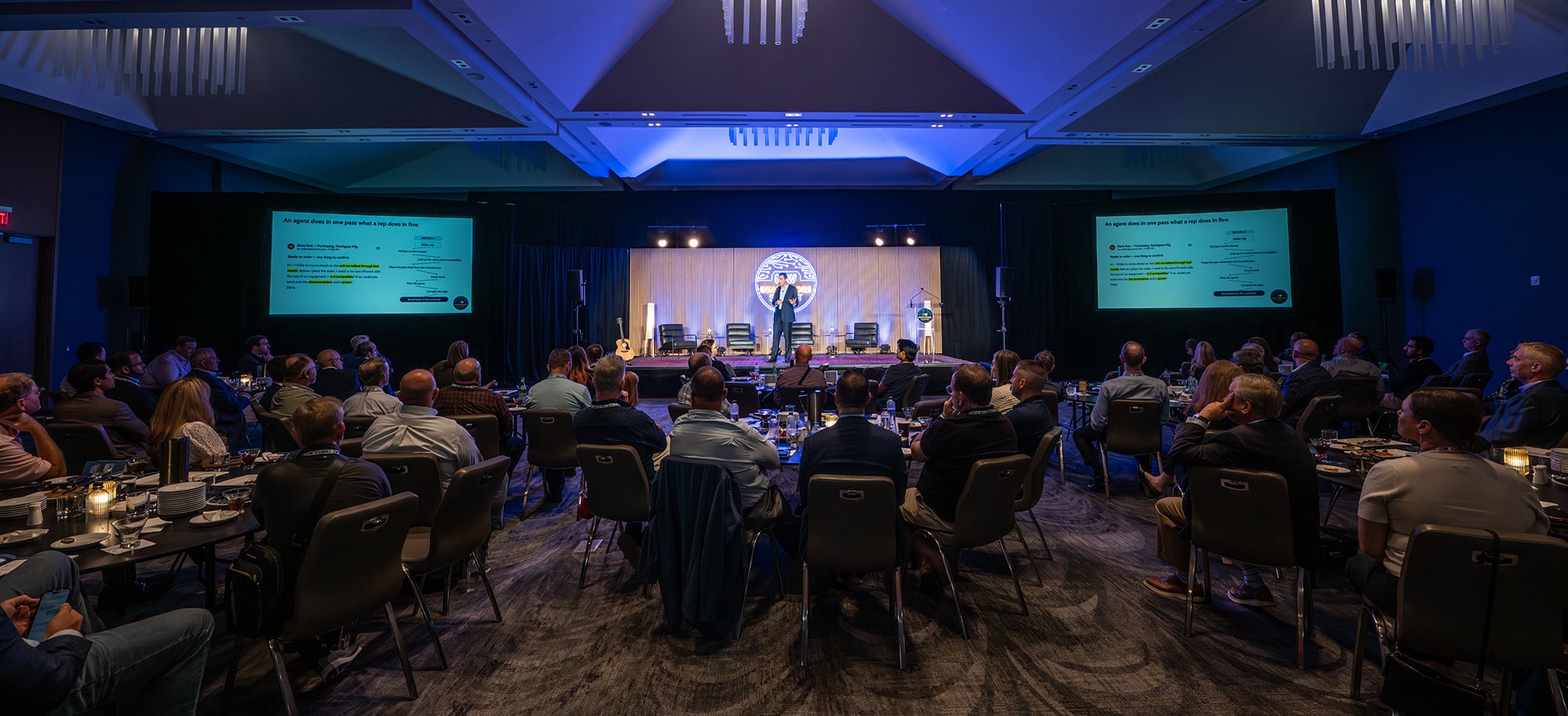
Last week in Nashville, I listened as founders of distribution-focused technology companies described their latest innovations to distribution executives at the 2026 NAW Innovators Summit. Sitting there, I had a realization: the capability-building challenge we had attacked through years of training no longer has to be solved that way.
Credible technologies are addressing that problem and nearly every other operating challenge I encountered in private-sector distribution. Yet the larger opportunity is not simply automation. It is capturing the judgment behind our best work, distilling it into the systems we deploy and turning what once lived in a handful of experienced employees into an enterprise capability.
Technology Has Moved from Promise to Practice
Consider the common industry challenges for which founders presenting at the 2026 NAW Innovators Summit have developed credible solutions:
- Focused on enriching and structuring complex product data? Anglera can help.
- Trying to help customers source products by applying AI to search and product discovery across large catalogs? Coveo has invested thousands of hours in that problem.
- Eliminating manual quote and order-entry work, including translating customer requests into products, prices, and ERP records? Avent, Ventura and Revalgo each offer a tested solution.
- Trying to crack the code on inventory optimization? Lantern and GAINS apply machine learning to demand forecasting, inventory and replenishment decisions.
- Upgrading an antiquated transportation operation? Nauta structures fragmented supply-chain data spread across emails, documents and operating systems.
The list continues through credit, accounts receivable, returns, freight claims, rebates, field sales and customer communication. These are products in the market, built around recognizable distribution workflows and, in many cases, already operating inside substantial businesses. The question is shifting from whether technology can address these problems to how quickly and intelligently distributors can put proven solutions to work.
That matters because our industry has spent decades reinventing versions of the same wheel. We have assigned good people to compensate for incomplete data, designed elaborate workarounds around old systems, and invested thousands of hours teaching employees to navigate complexity or repeat rote processes that technology can now absorb.
We should stop treating every common operating problem as something each distributor must solve independently. Where a credible, scalable solution exists, distributors can adopt it and redirect scarce capital and human energy toward work that differentiates the business. Technology can absorb more of the process while our people define, transfer and improve the judgment that makes it valuable.
Pursuing Efficiency and Leveraging Judgment
Some work simply needs to be done accurately, quickly, and consistently. Most purchase orders entered into an ERP, for example, do not require judgment. If technology can read, validate and enter an order correctly, that is an unambiguous efficiency gain. The same is true for many repetitive tasks, status updates and administrative handoffs.
Other work is different. Selecting a substitute when a requested product is unavailable, deciding how much inventory to hold against an uncertain forecast, weighing a pricing exception, evaluating a marginal credit risk or determining when a warehouse discrepancy signals a broader failure requires more than accurate execution of a rule. These scenarios require judgment.
Judgment is the ability to make good decisions when facts compete and rules are incomplete. Looking back, judgment was what we were trying to build in those inside sales representatives at McMaster-Carr. Catalog knowledge mattered, but knowledge alone did not create a solution seller. The representative had to understand what the customer was trying to accomplish, identify the specifications that governed the choice, recognize the tradeoffs and make a recommendation the customer could trust.
That distinction should shape how distributors deploy AI. A reliable model may be enough for procedural work. When a decision affects customer trust, working capital, margin, risk or service, the model will depend on the judgment we teach it. A mediocre model may execute mediocre decisions faster, but it will not differentiate the business where enterprise strategy is at stake. Efficiency is the entry point; distilled judgment is the strategic advantage.
Turning Judgment into Enterprise Capability
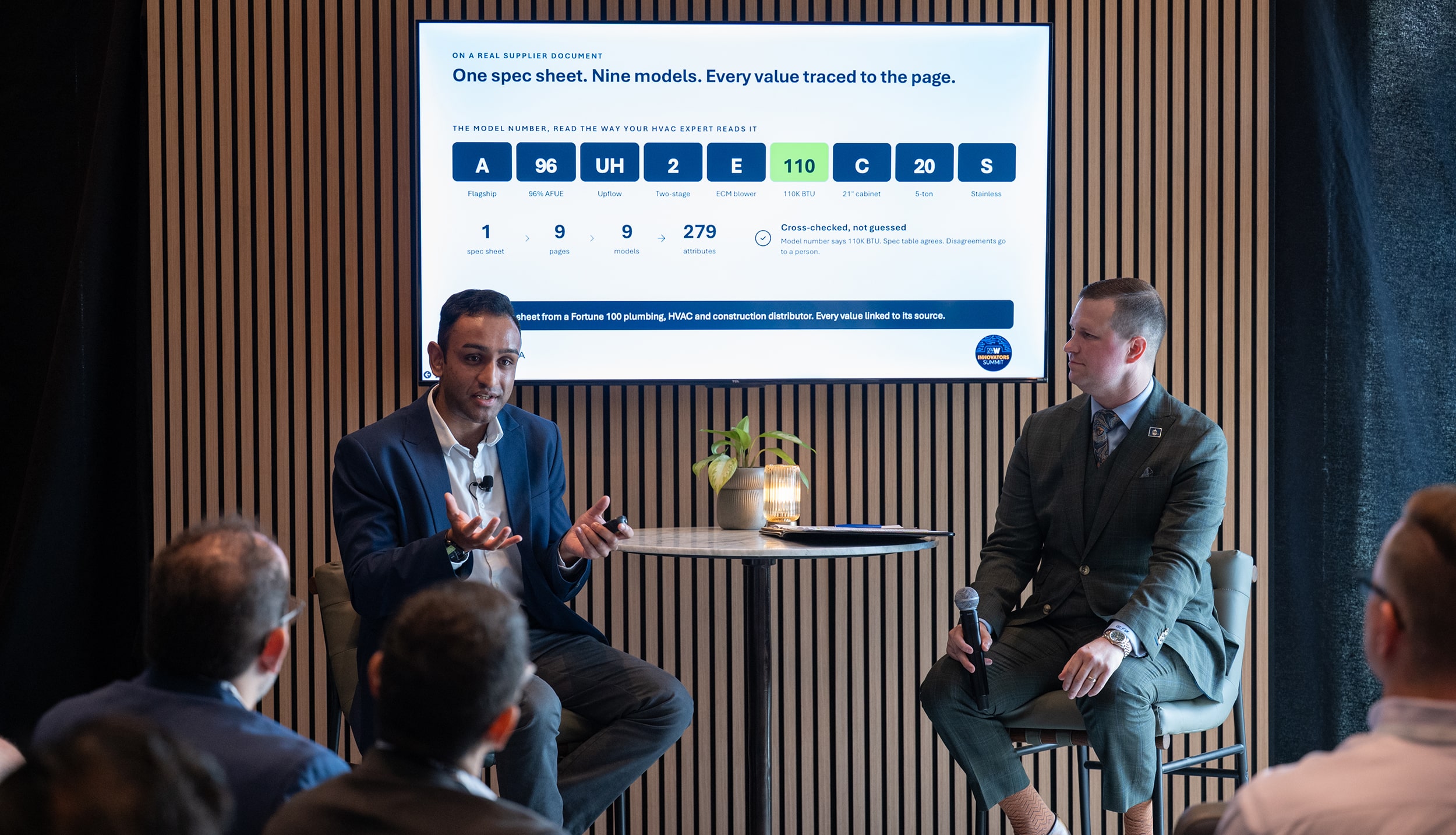
One of the Innovators Summit’s most memorable ideas involved training a model to think like the “LeBron James” of an operation. InstaLILY founder Sumantro Das described how today’s agentic AI applications for distribution can identify the variables an exceptional employee considers, the patterns that person recognizes, and the judgment applied when the obvious answer is not the right one.
Academic evidence suggests this kind of knowledge transfer can work. In a field study of 5,179 customer-support agents, Erik Brynjolfsson, Danielle Li and Lindsey Raymond found that access to a generative AI assistant increased productivity by 14% on average and by 34% among novice and lower-skilled workers.* The system appeared to disseminate the practices of stronger performers and help less-experienced employees develop capability faster.
But the highest-output employee is not the only person worth studying. Distribution businesses also depend on steady operators who follow sound processes, recognize exceptions and know when to stop a transaction or raise a hand. I think of an experienced material handler who may not set a productivity record but routinely notices a stockout, finds material in the wrong location or recognizes that the physical product does not match the system record. That employee prevents small discrepancies from becoming late shipments, inventory errors or customer problems.
We should train models on excellent decisions, not simply visible output. Capturing judgment requires more than recording what an expert did. We must uncover why the expert did it, which signals mattered, which alternatives were rejected and what would have triggered a different choice.
For decades, distributors have asked seasoned employees to train the next generation. Now our best people have another vital role: teaching, testing, and governing the models that will increasingly perform the work. They must define what a good decision looks like, identify the exceptions that matter, explain why the rule sometimes fails and recognize when a model’s recommendation does not pass the test of experience.
The Final Word
Many employees understandably hear the words artificial intelligence and wonder whether the experience they spent a career building is becoming less valuable. I left Nashville believing the opposite. An employee who can explain not only what to do, but why, when and under what conditions, may possess one of the company’s most strategic assets. Years of customer conversations, operating decisions, corrected mistakes and recognized patterns can become the source material for a capability that reaches beyond one desk, one branch or one generation of employees.
Next year’s NAW Innovators Summit will be held Sept. 13-15, 2017 at The Joseph in Nashville.
*Erik Brynjolfsson, Danielle Li, and Lindsey Raymond, “Generative AI at Work,” NBER Working Paper 31161 (2023).
Related Posts
-

It results in a combined industrial packaging, JanSan and foodservice distributor with $28 billion in…
-

Beijer Ref subsidiary Heritage Distribution Holdings is set to add Miami-based AM Distributors, adding three…
-

Developed with the AI Applied Consortium, NAW’s new AI Governance Architecture gives distributors a practical…