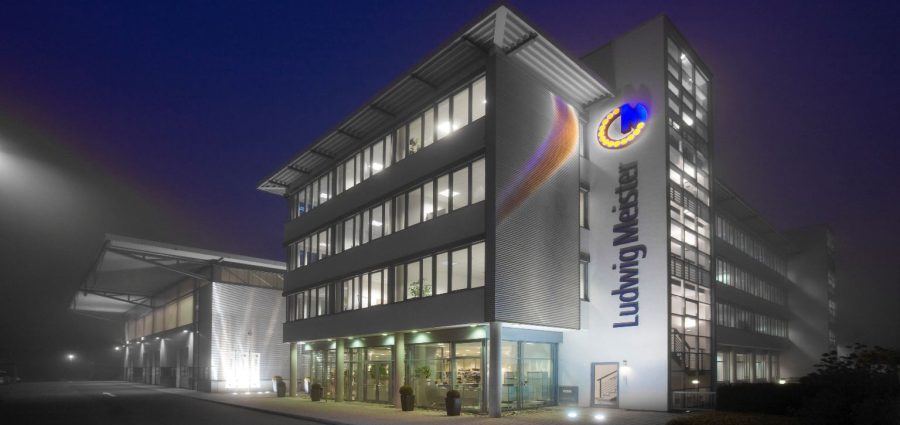
Lead photo: Ludwig Meister’s headquarters facility in Dachau, Germany. (Ludwig Meister photo)
Editor’s Note: This is the first in a three-part article series that will be packaged into an MDM Case Study report that contains additional reporting.
Innovation has become one of the most frequently invoked — and least clearly defined — concepts in wholesale distribution. Many distributors talk about digital transformation, AI enablement or eCommerce leadership, but far fewer have developed a coherent logic for how innovation should unfold inside a mid-sized, operationally complex business.
That is what distinguishes Munich-based Ludwig Meister, a €120 million ($140 million) power transmission, motion control and automation products distributor.
This is not a story about chasing technology trends or launching a flashy web shop. It is a story about sequencing, discipline and restraint — about deliberately choosing where not to start. Over more than a decade, Ludwig Meister built innovation as a management system, not a series of projects. The result is an organization that today can move quickly in areas like AI and sales process redesign precisely because it spent years strengthening what customers never see.
This three-part series examines Ludwig Meister’s innovation journey through the same analytical lens MDM applied in its recent LINC Systems case study (Premium access here): strategy first, systems second, execution always the most critical and often toughest element. Part 1 focuses on the leadership decisions and internal foundations that made everything else possible.
Editor’s Note: Ludwig Meister co-CEO Max Meister will be one of the featured speakers at our 2026 SHIFT Conference, coming May 12-14 in Denver. Join us there!
Innovation as a Strategic Choice — Not a Reaction
Ludwig Meister did not begin investing in digital capabilities in response to crisis or disruption. The company was performing well when leadership began asking deeper questions about the future structure of distribution and the company’s role within it. “We didn’t wake up one day and say, ‘Now we need to digitalize,’” co-CEO Max Meister explains. “The question was always: what will this business need to look like in ten or twenty years if we want to stay relevant and competitive?”
That framing matters. Rather than anchoring innovation efforts to specific tools or trends, leadership focused on long-term capability building. They anticipated growing product complexity, rising customer expectations around reliability and speed, and increasing pressure on margins and productivity. Innovation, in that context, was not optional — but it had to be intentional.
Co-CEO Elisabeth Meister describes it as a responsibility of stewardship rather than ambition. “As a family-owned company, you think differently,” she says. “You’re not optimizing for the next year. You’re building something that has to work across generations.”
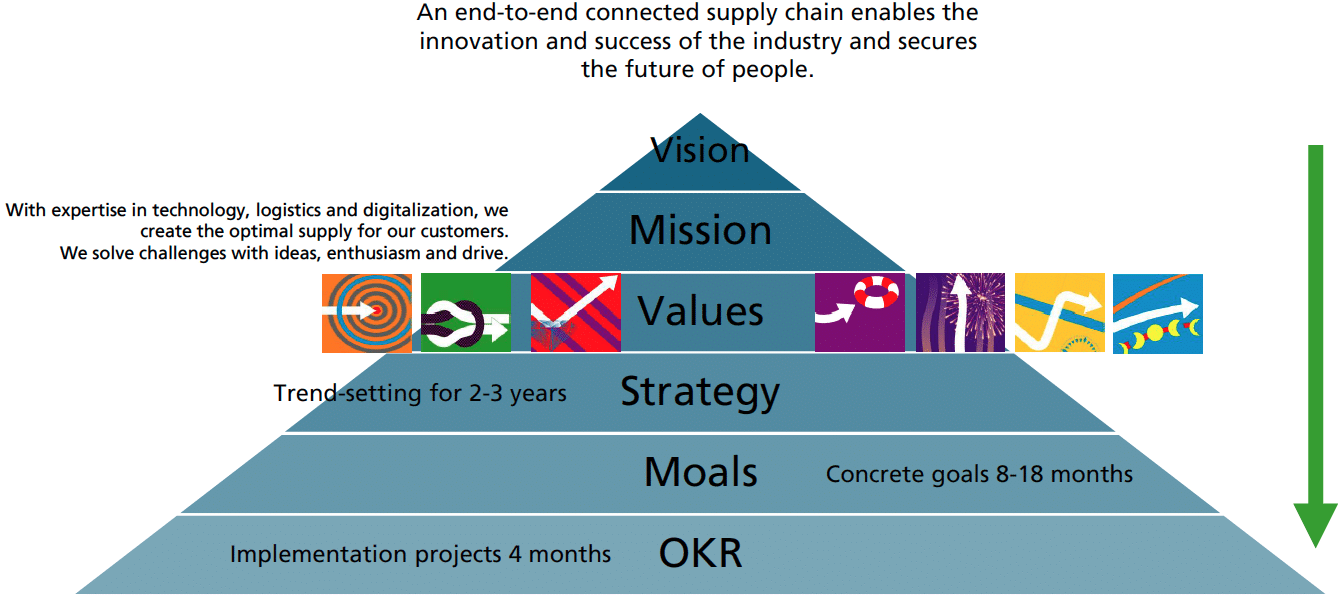
From that mindset and analysis of where customers were heading, the leadership team developed a vision and mission for the future and shorter-term strategy to get there. They then implemented a system — OKRs (Objectives and Key Results) — to execute on that strategy and vision with short-term goals (8-18 months) and prioritized implementation projects (4 months).
Family ownership gave Ludwig Meister something many distributors lack: the freedom to invest patiently. That did not mean leadership was indifferent to returns — quite the opposite — but it allowed them to prioritize resilience and longer-term goals over quick wins.
Instead of launching customer-facing digital initiatives early to signal progress, leadership chose a less visible path. “You can create a nice front end very quickly,” Elisabeth notes. “But if what sits behind it isn’t solid, you only make the problems bigger.” This long-term orientation created space to focus on internal excellence first — even when those investments were hard to explain externally and slow to show impact.
The Diagram That Explains Everything
In presentations to employees, suppliers and industry peers, Ludwig Meister often uses a simple diagram to explain the innovation logic. It is not a technology roadmap. It is a sequencing model.
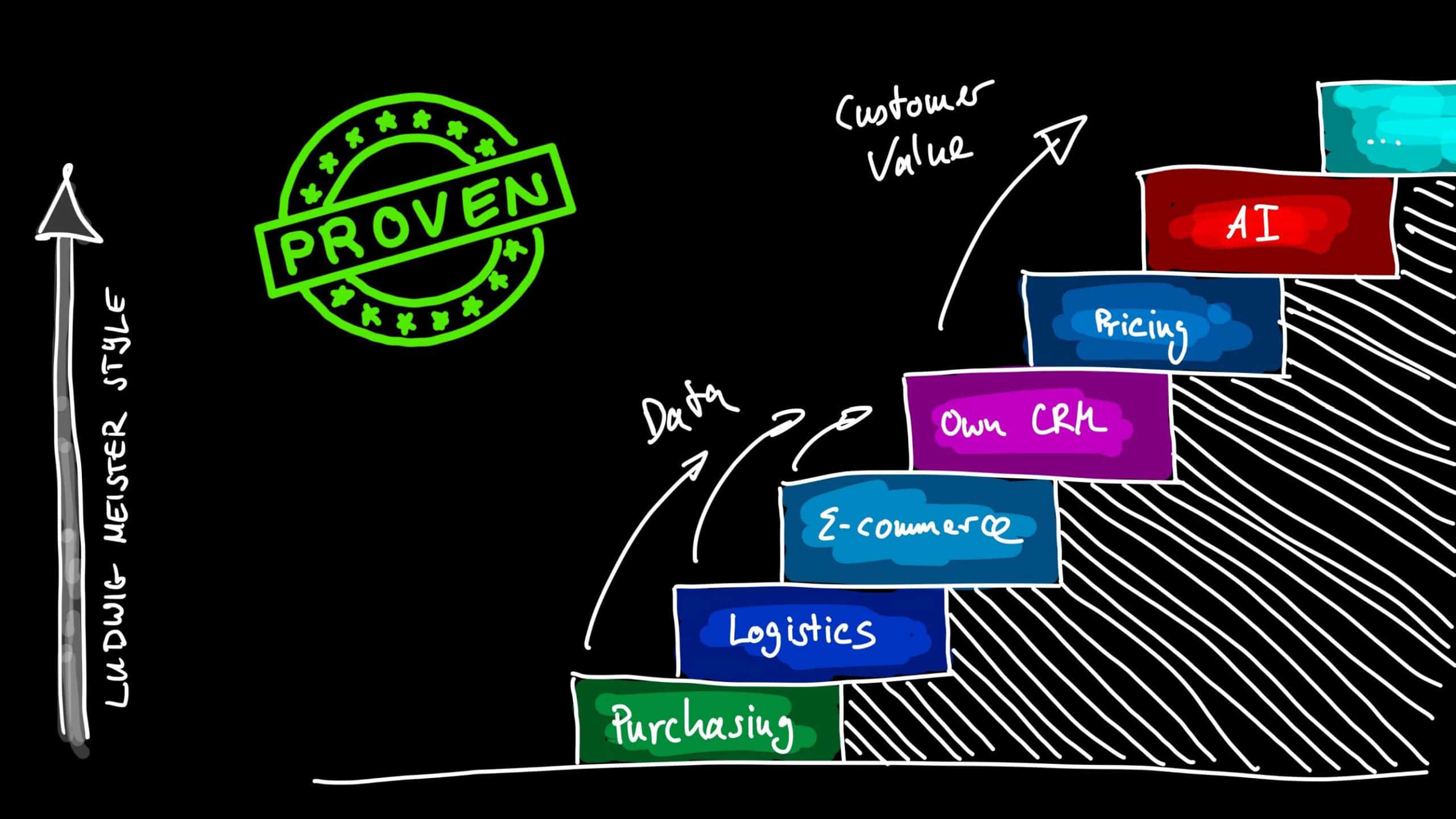
At the base of the diagram are internal processes: clean master data, ERP discipline, standardized workflows and logistics reliability. Above that sit analytics and automation layers that improve efficiency and decision-making. Only after those foundations are stable does the model move outward — first to digital customer tools, and only later to sales process reengineering and AI adoption.
“It’s tempting to start with the web shop,” Max says. “But if your data isn’t clean and your logistics aren’t reliable, you just scale chaos.”
This logic runs counter to how many distributors approach digital transformation. Too often, companies lead with customer-facing tools with the hope that better interfaces will create a “seamless customer experience.” But that can’t compensate for fragmented systems and inconsistent execution on the back end. Ludwig Meister deliberately reversed that equation.
Starting Where Customers Don’t Look
The earliest phases of Ludwig Meister’s innovation journey focused on areas customers rarely see but always feel: availability, accuracy, speed and reliability. It began in 2012 with planning for digitizing and automating purchasing, inventory and logistics.
Head of Supply Chain Florian Ostendarp emphasizes how foundational this was. “Logistics and internal processes aren’t glamorous,” he says. “But they determine whether you can keep promises. Before you automate anything, you have to understand and stabilize how the work actually flows.”
That meant investing time and resources into standardizing processes, improving data quality and tightening operational discipline. These efforts did not generate marketing headlines, but they created a stable platform on which everything else could be built.
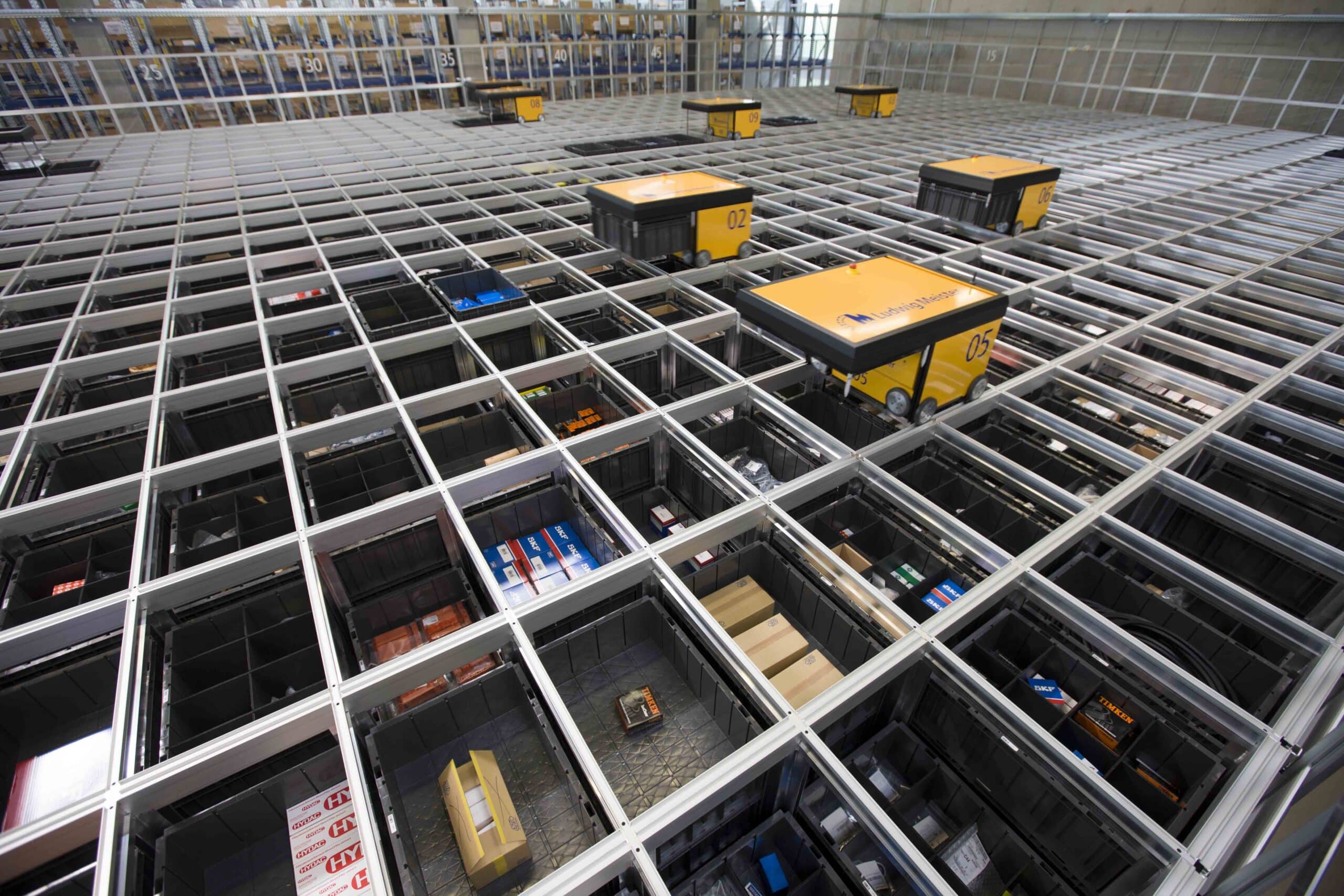
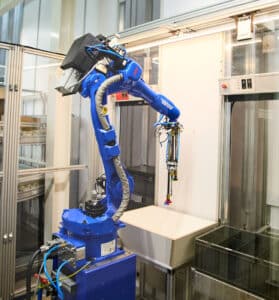
At that point, the company installed an AutoStore automated storage and retrieval system that optimized its warehouse footprint while improving labor productivity, accuracy and throughput. Wheeled robots retrieve product bins and deliver them to a workstation where the operator picks the required items. Ludwig Meister also automated packaging for shipping. Finally, its most recent initiative has been a robotic picking station, trained by AI, to further automate warehouse operations.
Importantly, leadership resisted the urge to treat these initiatives as IT projects. They were operational change initiatives with clear ownership and accountability across functions.
Data Before Digital Experience
One of the least visible — and most consequential — decisions Ludwig Meister made was to prioritize data structure and governance long before advanced analytics or AI entered the picture. “We spent years preparing data that nobody outside the company ever noticed,” Max says. “At the time, it wasn’t exciting. Today, it’s the reason we can do things others struggle with.”
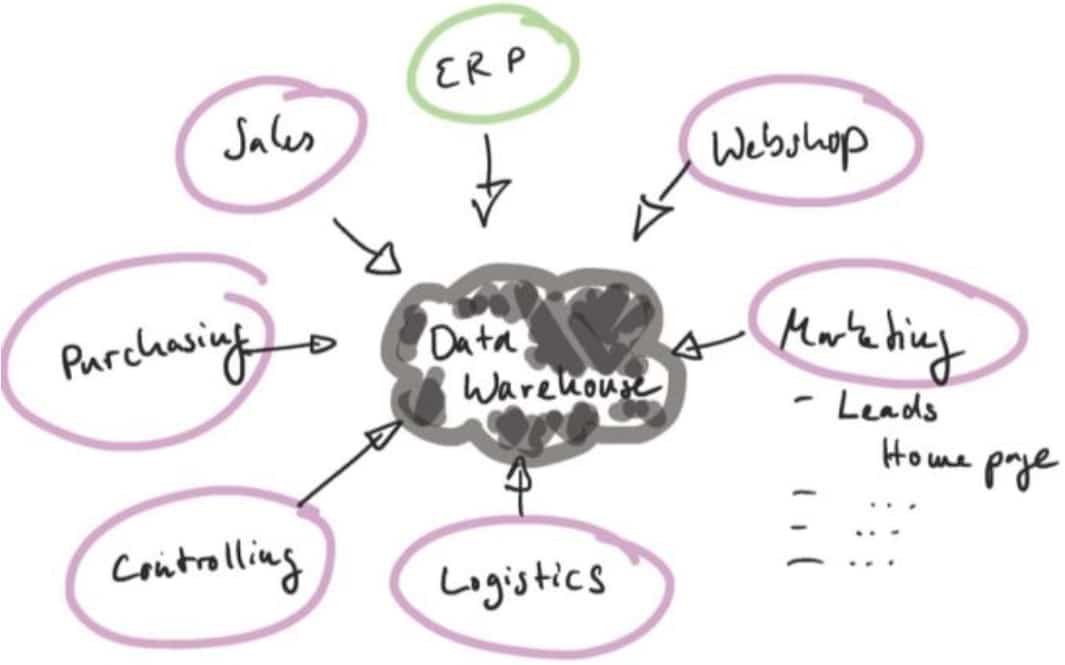
Rather than layering point solutions on top of legacy systems, Ludwig Meister created an ERP backbone integrated through a centralized Oracle database to connect product information, transactions, customer data and operational processes. That work was painstaking, at times frustrating, but it established a single source of truth across the organization.
Ostendarp points out that this discipline later paid dividends in unexpected ways. “Once the data foundation was there, improvements in one area suddenly helped others,” he says. “You don’t get that leverage if everything is fragmented.”
Another differentiator was how Ludwig Meister governed innovation. Initiatives were not allowed to proliferate unchecked. Leadership set clear priorities, decision rights and expectations around learning and outcomes. “We didn’t want innovation to become noise,” Elisabeth explains. “People need clarity about what matters and why.”
Projects were evaluated not only on technical feasibility, but on operational relevance and strategic fit. Some ideas moved quickly; others were paused or stopped. That discipline reduced organizational fatigue and reinforced credibility. Just as important, it created psychological safety. Employees understood that experimentation was encouraged — but also that learning, not perfection, was the goal.
External Validation — 2024 Supply Chain Management Award
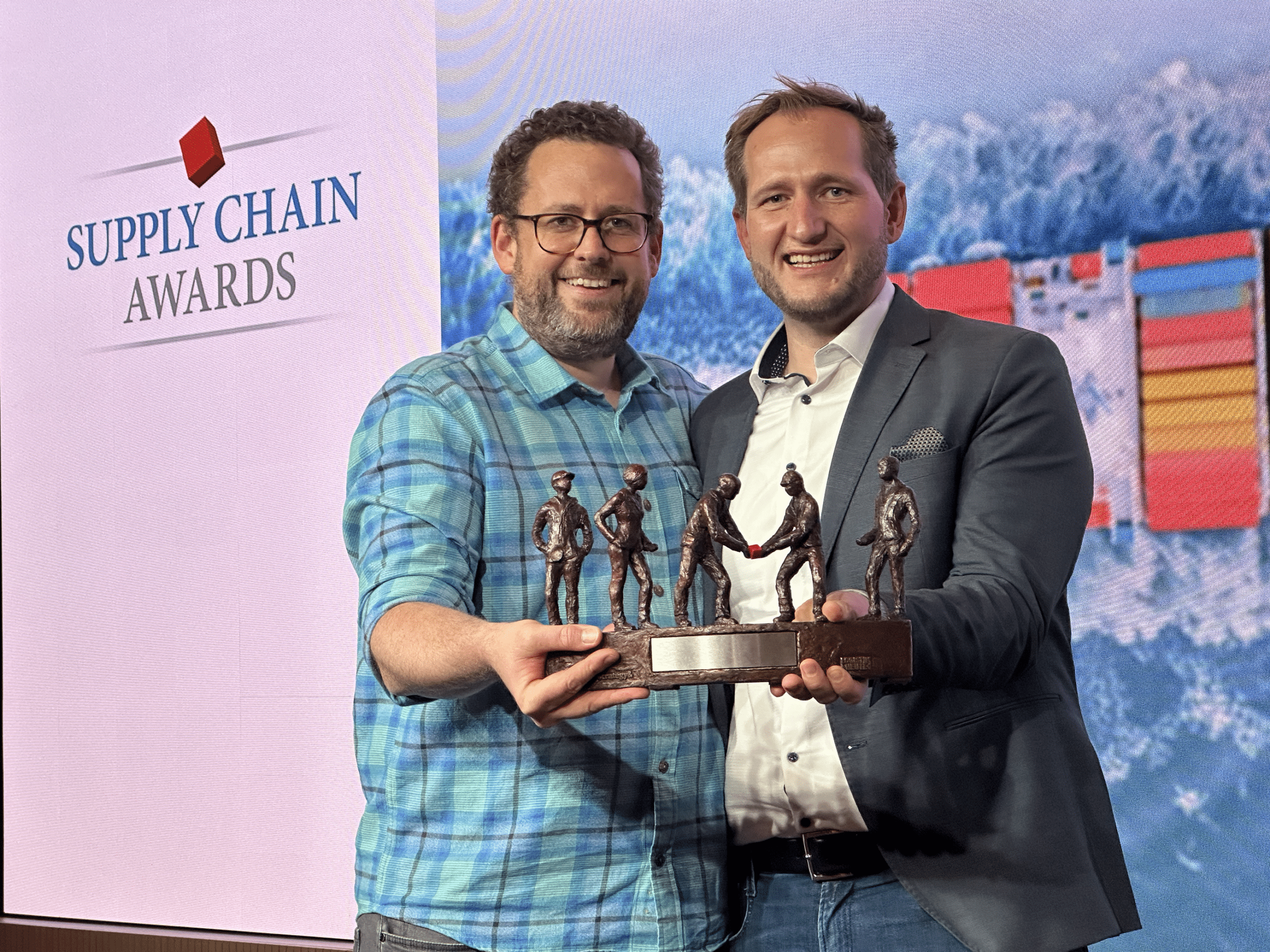
In November 2024, Ludwig Meister received the Supply Chain Management Award, presented by LOGISTIK HEUTE in collaboration with Strategy& and PwC. The award recognizes implemented supply chain concepts that demonstrate measurable impact and benchmark-level execution.
Ludwig Meister prevailed over finalists including Bosch Mobility Aftermarket, Otto Fuchs and Würth Industrie Service — substantially larger industrial enterprises.
The Winning Concept: “Never Out of Stock”
The jury recognized Ludwig Meister’s proactive, end-to-end supply chain architecture built on a centralized Oracle-based “Single Source of Truth”, integrating data from more than 100 connected suppliers and customers across 3.5 million SKUs.
Key elements include:
- AI-supported forecasting that identifies potential shortages up to 12 months in advance
- Automated procurement processes triggered by predictive risk signals
- Real-time data integration across purchasing, inventory and logistics
Measurable Impact
- Inventory reduction: Up to 25% lower warehouse stock
- Lead time improvement: Throughput times reduced by up to 30%
- Operating leverage: 30% revenue growth with only a 3% increase in headcount
For a 300-employee distributor, the significance is structural. The award validates not a single technology initiative, but the cumulative impact of disciplined data architecture and process sequencing — the same foundation described throughout this case study.
Why Sales Came Last
In many organizations, sales is the first area targeted for digital tools. Ludwig Meister waited. Leadership believed that changing how salespeople work before the underlying systems were ready would only create frustration.
“Sales is where all the complexity comes together,” Max says. “If you don’t fix what’s underneath, you’re asking salespeople to compensate for system weaknesses.” Only after years of strengthening internal processes, logistics reliability, data quality and analytics capabilities did Ludwig Meister begin systematically reengineering its sales process — a topic we will explore in detail later in this series.
By the time advanced analytics, machine learning and AI began to emerge as viable tools over the past five years, Ludwig Meister was prepared. The company had:
- A clear strategic rationale for innovation
- Strong internal process discipline
- Clean, well-governed data
- Leadership alignment across functions
- A culture accustomed to change
As a result, Ludwig Meister could move quickly without betting the company on unproven ideas. Innovation became cumulative rather than disruptive. That sequencing — start inside, build patiently, move outward deliberately — is the central lesson of Ludwig Meister’s innovation story.
Up Next
In Part 2 of this series, we will examine how that foundation translated into execution — how Ludwig Meister operationalized data, analytics and AI across the business, and why those initiatives delivered measurable impact rather than isolated wins.
For distributors watching the AI conversation with equal parts interest and skepticism, Ludwig Meister offers a clear message: innovation is not about where you start — it’s about whether you build the right things, in the right order.
Related Posts
-
PTDA and BSA expanded PIE, a product information platform for industrial manufacturers and distributors, to…
-
DSG's Chairman and CEO Bryan King said the move would strengthen its ability to pursue…
-

Packer said the project represents a key step in the company's broader AI roadmap, which…